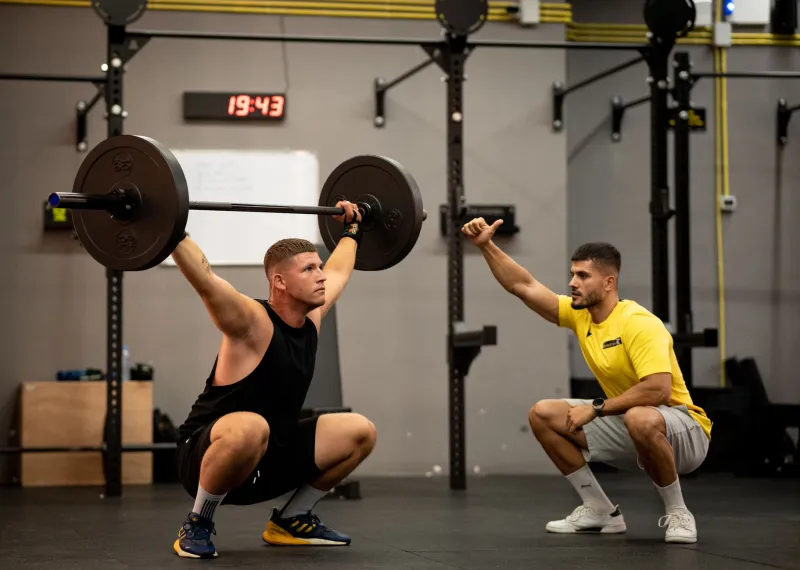
Three Laps, Six Cars, Zero Boredom: The 18-Minute Circuit That Keeps You Moving
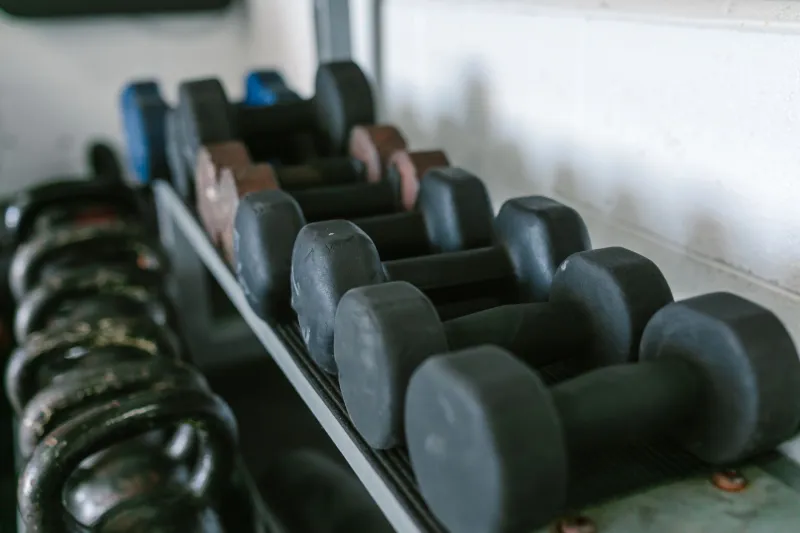
Why Rotation Beats Another Boring Set
Boredom is not a character flaw. It is a programming signal. If you have ever stood in front of a barbell for 20 minutes doing five sets of five and felt your focus leak out through your shoes, you already know the problem. The work is fine. The shape is stale.
A circuit changes the shape. Instead of asking your body and brain to repeat the same task until the set ends, you give them a new task every minute. That switch keeps intensity high without turning every station into a death march. It also builds work capacity, because you are accumulating quality reps while your heart rate stays in the game. At Gym Ferris, we call this riding the rotation. The wheel keeps turning. You keep moving.
The Ferris wheel comparison is not just cute branding. A wheel works because each car gets its turn, the load stays balanced, and the whole thing keeps rolling. Your circuit should do the same. Six stations. Three loops. One timer. No staring at the ceiling wondering what to do next.
The Setup: Six Cars, Three Laps, One Timer
Set up six stations in a circle or along a wall. Keep the moves simple enough that you can transition fast and safe. You need a timer, a clear floor, and a load that leaves two or three reps in the tank. This is not a max-effort strength day. It is a density day.
Each car lasts 60 seconds total. Use roughly 45 to 50 seconds for work and 10 to 15 seconds to move to the next car. That gives you a six-minute lap. Three laps equals 18 minutes of rotation. Optional brake rests between laps add time, so treat 18 minutes as the engine and brakes as the pit stops.
The Printable Station Map
Print this, tape it to the wall, and stop improvising mid-workout.
| Car | Main Move | Form Cue | Beginner Swap | Advanced Swap |
|---|---|---|---|---|
| 1 | Goblet squat | Chest tall, knees track out | Bodyweight box squat | Double kettlebell front squat |
| 2 | Push-up | Ribs down, full lockout | Incline push-up | Ring push-up or feet-elevated push-up |
| 3 | Kettlebell swing | Hinge, snap, stand tall | Banded hip hinge | Heavy swing or dumbbell clean |
| 4 | Dumbbell row | Pull elbow past ribs | Band row | Chest-supported row |
| 5 | Reverse lunge | Step back, drive through front foot | Assisted split squat | Front-racked lunge |
| 6 | Dead bug | Low back glued down | Heel tap | Plank with shoulder tap |
You can swap exercises, but keep the pattern balance: squat, push, hinge, pull, single-leg, core. That gives you a full-body ride without burying any one area before the next lap.
How to Ride It
Warm up for five minutes first. Easy cardio, hip openers, shoulder circles, and a few bodyweight reps of each station. Then set your timer for 60-second rounds.
Start at Car 1. Work at a pace you could repeat for all three laps. When the timer beeps, move to Car 2. Keep the transition crisp. Do not scroll your phone. Do not reorganize your water bottle. Move.
After Car 6, you have completed one lap. If you are taking a brake, use 30 to 60 seconds to breathe, reset your grip, and check your form. Then start lap two. Same order. Same timer. By lap three, your job is to hold technique together while the pace stays honest.
Brakes, Not Bailouts
A brake is not a failure. It is a tool. Use one between laps if your form is sliding, your breathing is out of control, or you feel a hot spot in a joint. Thirty seconds of nasal breathing and a sip of water can save the last lap. What you do not want is a brake that turns into a bench sit. Keep it short, keep it deliberate, then get back on the wheel.
If you are fresh and moving well, skip the brakes. The 18-minute version is the default. The brake version is there for days when life, sleep, or a hard training week has left you with less in the tank.
Scaling the Ride
Beginners should shorten the work and lengthen the transition. Try 40 seconds of work and 20 seconds of movement, then take a full 60-second brake between laps. Two laps is plenty for the first few weeks. Your goal is clean reps and steady breathing, not a puddle on the floor.
Advanced lifters can make the circuit nastier without making it sloppy. Use 50 seconds of work and 10 seconds of transition. Go three laps with no brakes. Pick loads that make the last 15 seconds of each car feel like a real decision. You can also add a tempo rule: two seconds down, explode up on every rep. That turns a simple circuit into a much sharper training tool.
The middle ground is where most people should live. Three laps, 45 seconds of work, 15 seconds to move, and one brake after lap one if needed. Adjust the load before you adjust the clock. If you cannot finish the third lap with decent form, the weight was too heavy, not the workout too long.
Why It Works
Rotational training keeps the session dense. You are not resting five minutes between sets or waiting for your nervous system to reboot. You are practicing movement patterns under moderate fatigue, which is exactly what most busy lifters need. It also gives you a scorecard: reps per car, load per car, brakes taken. Next week, beat one number without wrecking the others.
Boredom dies when the next task is already on deck. The wheel does not care about your mood. It just keeps turning. Set the timer, pick six cars, and ride three laps. Own your strength, one rotation at a time.